
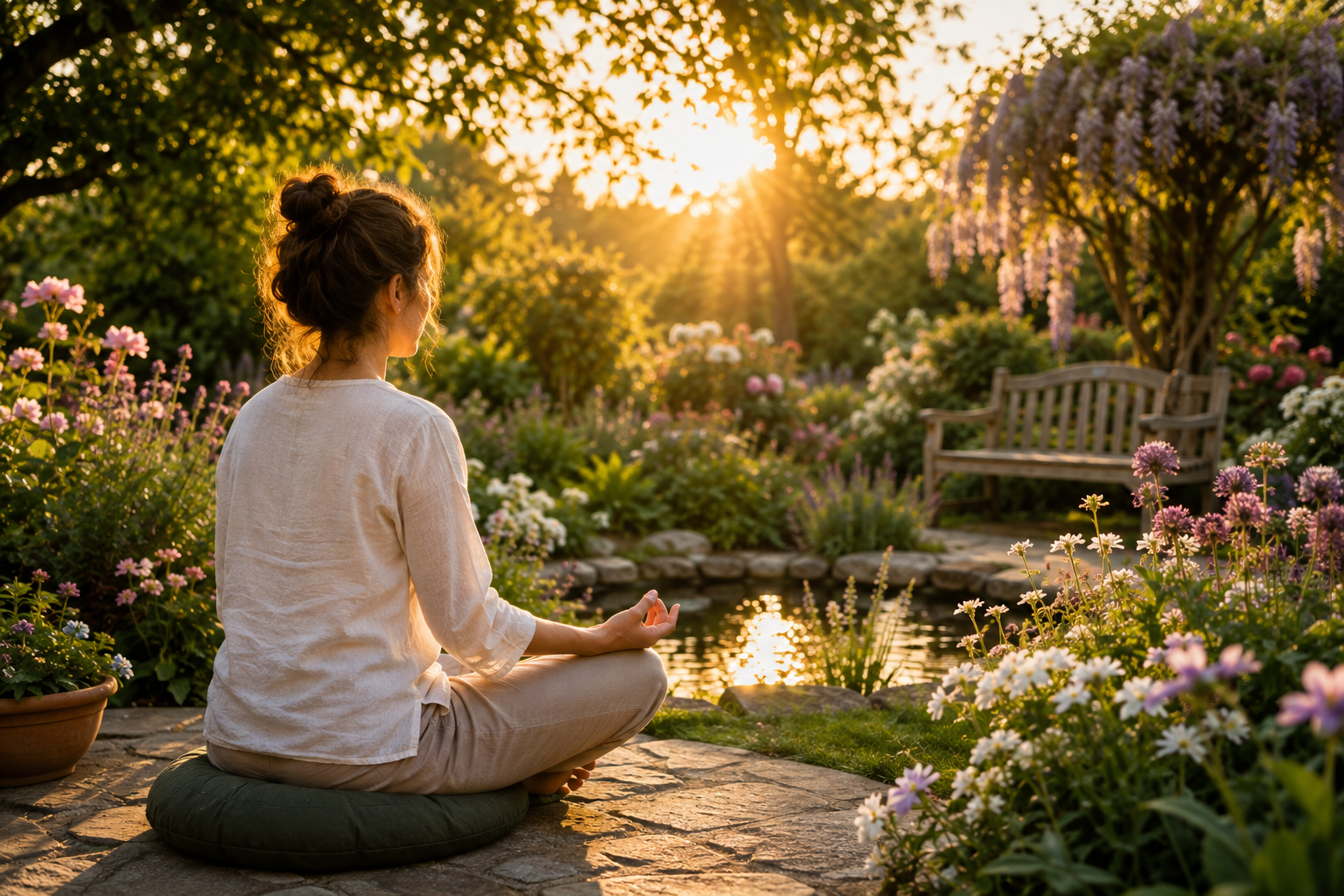
Loving-Kindness Meditation Explained

Discover how cultivating kindness towards yourself and others can bring greater peace, compassion and emotional wellbeing.
In a world that often feels rushed and divided, one of the most powerful things we can develop is a kind heart.
Loving-kindness meditation is a simple yet profound practice that encourages us to cultivate goodwill, compassion and warmth towards ourselves and others.
For centuries, it has been practised within the Buddhist tradition as a way of reducing anger, strengthening compassion and creating a more peaceful mind.
At Tsechen Tara Trust, we believe loving-kindness is more than a meditation. It is a way of living.
What Is Loving-Kindness Meditation?
Loving-kindness meditation is a practice of intentionally generating feelings of kindness and goodwill.
Rather than focusing on solving problems or analysing thoughts, the practice gently encourages us to wish happiness, peace and freedom from suffering for ourselves and others.
It begins with a simple intention.
May I be happy.
May I be healthy.
May I be peaceful.
As those feelings develop, we gradually extend the same wishes to other people.
Who Do We Include?
Traditionally, loving-kindness meditation expands step by step.
Many people begin by offering kindness to:
- Themselves.
- Someone they love.
- A close friend.
- A neutral person.
- Someone they find difficult.
- Eventually, all living beings.
This gradual approach helps us develop compassion without judgement or exclusion.
Why Start With Yourself?
Many people find this the most challenging part.
We often speak to ourselves more harshly than we would ever speak to someone else.
Loving-kindness meditation reminds us that we also deserve patience, understanding and compassion.
By learning to treat ourselves more gently, we become better equipped to care for others.
Self-compassion is not selfish.
It creates the emotional strength needed to support those around us.
The Benefits of Loving-Kindness Meditation
Regular practice may help us to:
- Feel calmer and more emotionally balanced.
- Reduce anger and resentment.
- Strengthen compassion and empathy.
- Improve relationships.
- Increase feelings of gratitude.
- Develop greater patience.
- Experience more inner peace.
While everyone’s experience is different, many people find this practice brings a greater sense of connection with both themselves and others.
Bringing Compassion Into Everyday Life
Meditation does not end when we open our eyes.
Its real purpose is to influence the way we live.
Loving-kindness can be practised by:
- Listening without judgement.
- Offering encouragement.
- Being patient with others.
- Forgiving mistakes.
- Smiling at a stranger.
- Helping someone in need.
- Speaking with kindness.
Every compassionate action becomes part of the meditation itself.
The Buddhist Perspective
In Buddhism, loving-kindness is known as one of the Four Immeasurables, alongside compassion, sympathetic joy and equanimity.
Together, these qualities help us develop a heart that is open, balanced and free from unnecessary suffering.
Rather than being reserved for meditation sessions, they are intended to guide the way we live every day.
Our Vision
At Tsechen Tara Trust, we hope to make practices like loving-kindness meditation accessible to everyone.
As our charity grows, we plan to offer free and affordable meditation sessions, workshops and retreats where people from every background can experience the benefits of cultivating compassion.
Our aim is not simply to teach meditation.
It is to help build kinder communities.
A Small Practice With Great Potential
Loving-kindness meditation is beautifully simple.
It asks us to pause.
To breathe.
To remember that every person wishes to be happy.
And to quietly offer the same kindness to ourselves that we hope to share with the world.
Sometimes changing the world begins by changing the way we hold another person in our heart.